Key takeaways
- Container size and loading method change the equipment and drayage plan.
- Port of Alaska is a major inbound cargo gateway, but the final destination may be far beyond Anchorage.
- Storage, detention, demurrage or re-delivery are event-driven costs, not universal line items.
- The most useful quote names the service boundary and equipment-return responsibility.
Start with the physical shipment
Before asking for an Alaska container price, record the container size or cargo volume, gross cargo weight, origin loading location, ready date and final Alaska delivery location. A warehouse delivery in Anchorage is a different job from onward service to another part of the state, even if both use the same marine gateway.
| Input | Planning effect |
|---|---|
| 20-foot vs 40-foot equipment | Changes capacity, availability and local handling assumptions. |
| Live load vs drop | Changes driver/equipment time at origin. |
| Anchorage vs onward destination | Changes inland transport after the port. |
| Receiver unloading capability | Determines whether a live unload, drop or other local plan is feasible. |
Separate the cost stack
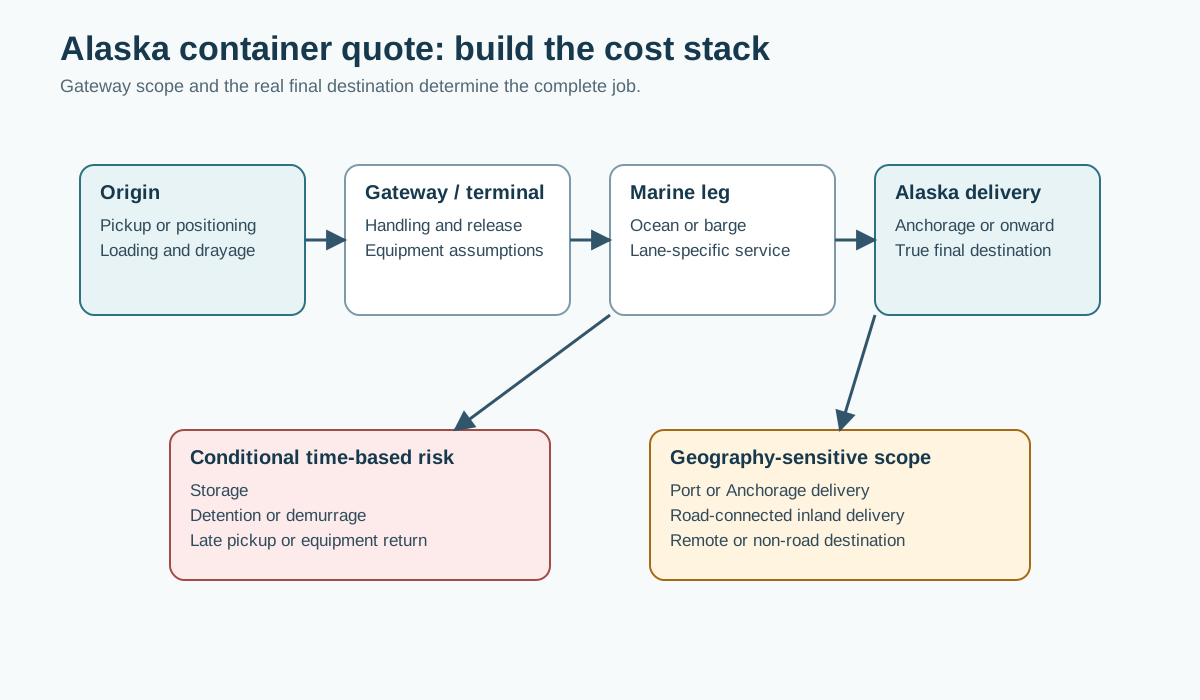
A useful container estimate is a stack rather than one average. Origin pickup and drayage can be separate from the marine linehaul. Destination terminal charges and local delivery can be separate again. Conditional charges arise when events such as late pickup, extended equipment use, storage or failed delivery occur.
- Origin: container positioning, pickup or loading support, documentation and drayage.
- Main transport: marine or ocean linehaul and equipment assumptions.
- Destination: terminal release, local drayage and receiving-site delivery.
- Conditional: storage, detention, demurrage, chassis/equipment time, re-delivery or special handling.
Ready to compare freight options?
Use the shipment details from this guide to compare provider options on the same service scope.
Get a Freight Shipping QuoteAlaska geography changes what “delivered” means
The Don Young Port of Alaska in Anchorage handles a large share of the state's inbound cargo and connects with road, rail, marine, air and pipeline distribution systems. That makes Anchorage a critical gateway, but it does not make every final destination an Anchorage delivery. If cargo continues elsewhere in Alaska, the onward leg needs its own mode, schedule and cost assumptions.
For remote or non-road destinations, do not let a general “to Alaska” quote hide the actual final-mile problem. Confirm whether the provider is quoting to the port, to an Anchorage facility, or to the true destination.
Time-based charges need an operating plan
Container cost can change after arrival if the unit is not available, the receiver is not ready, the truck misses a terminal window or the empty equipment is returned late. The way to manage those costs is operational: monitor release status, confirm delivery appointments, know who controls chassis/equipment, and identify the empty-return location before dispatch.
Conditional fees should be tracked as risk items. A quote is clearer when it distinguishes guaranteed charges from charges triggered by delay or service exceptions.
Compare the right alternative
A full container is not automatically the cheapest choice for a smaller shipment. When the freight does not need dedicated equipment, compare LCL or another consolidated service if it is actually offered for the lane and cargo. For time-sensitive or unusual freight, a different mode may be worth the higher transport cost if it reduces inventory or handling risk.
Shipment plan ready for a quote?
Keep cargo, lane, facility and responsibility assumptions consistent when requesting provider pricing.
Get a Freight Shipping QuoteQuote checklist
- Exact origin and Alaska destination
- Container size or cargo volume/weight
- Commodity and packaging
- Live load, drop or warehouse loading plan
- Port/terminal scope
- Final delivery and unloading method
- Equipment/chassis responsibility
- Quote validity and conditional charges